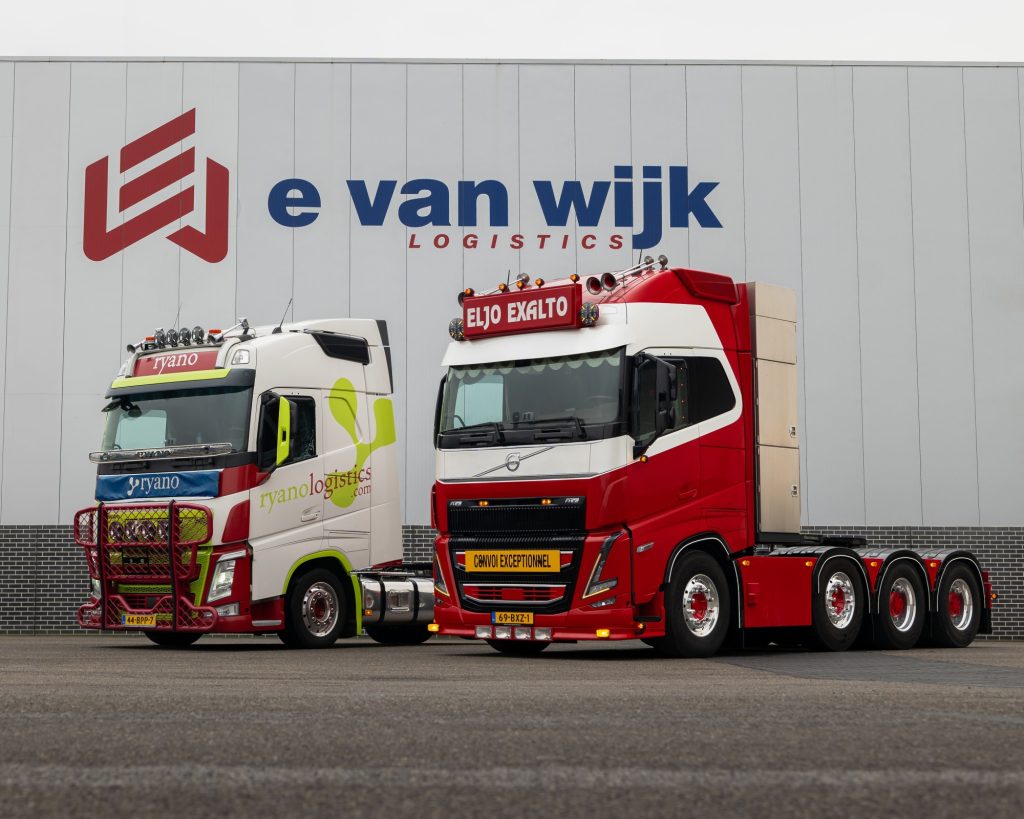
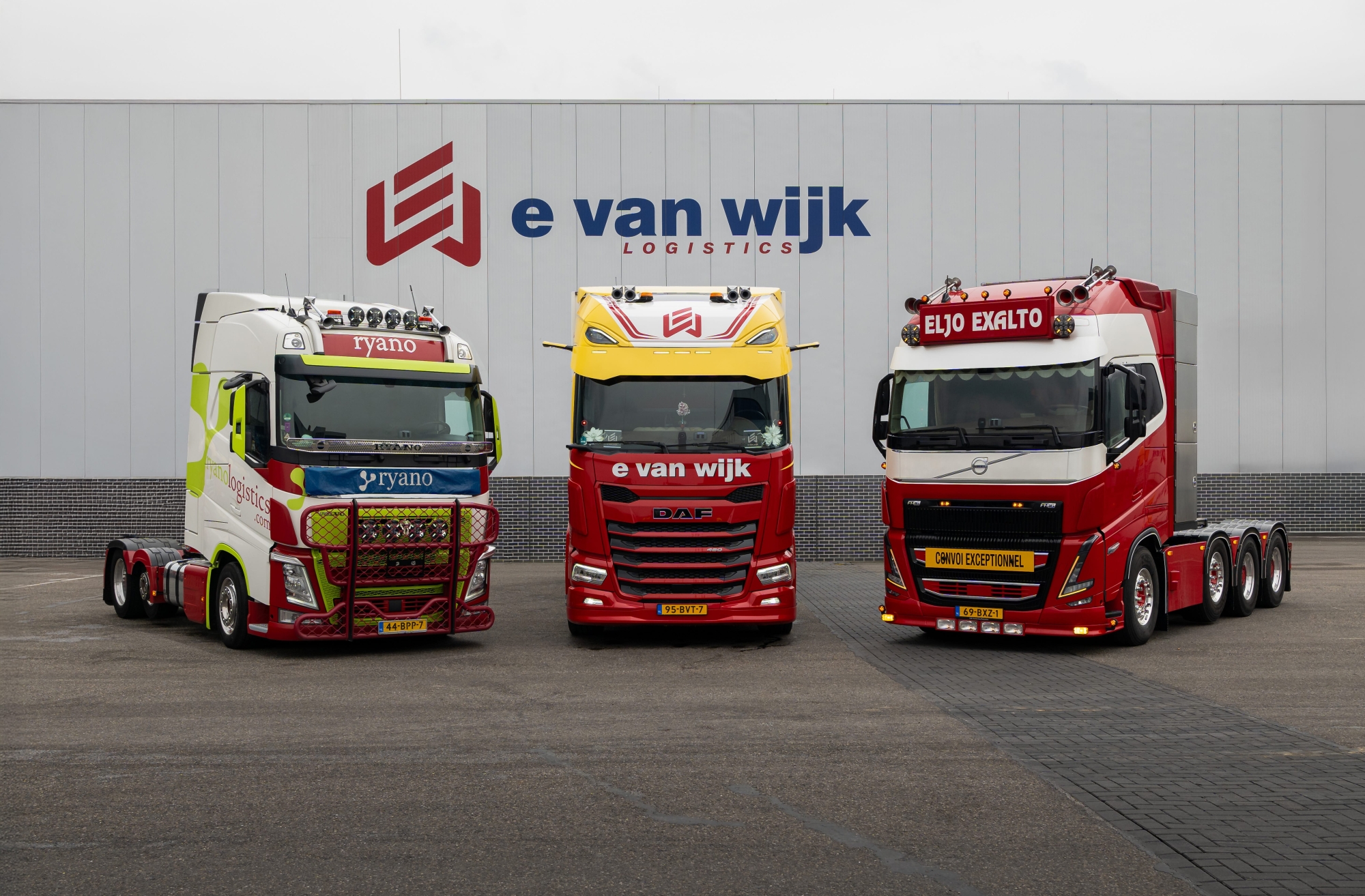
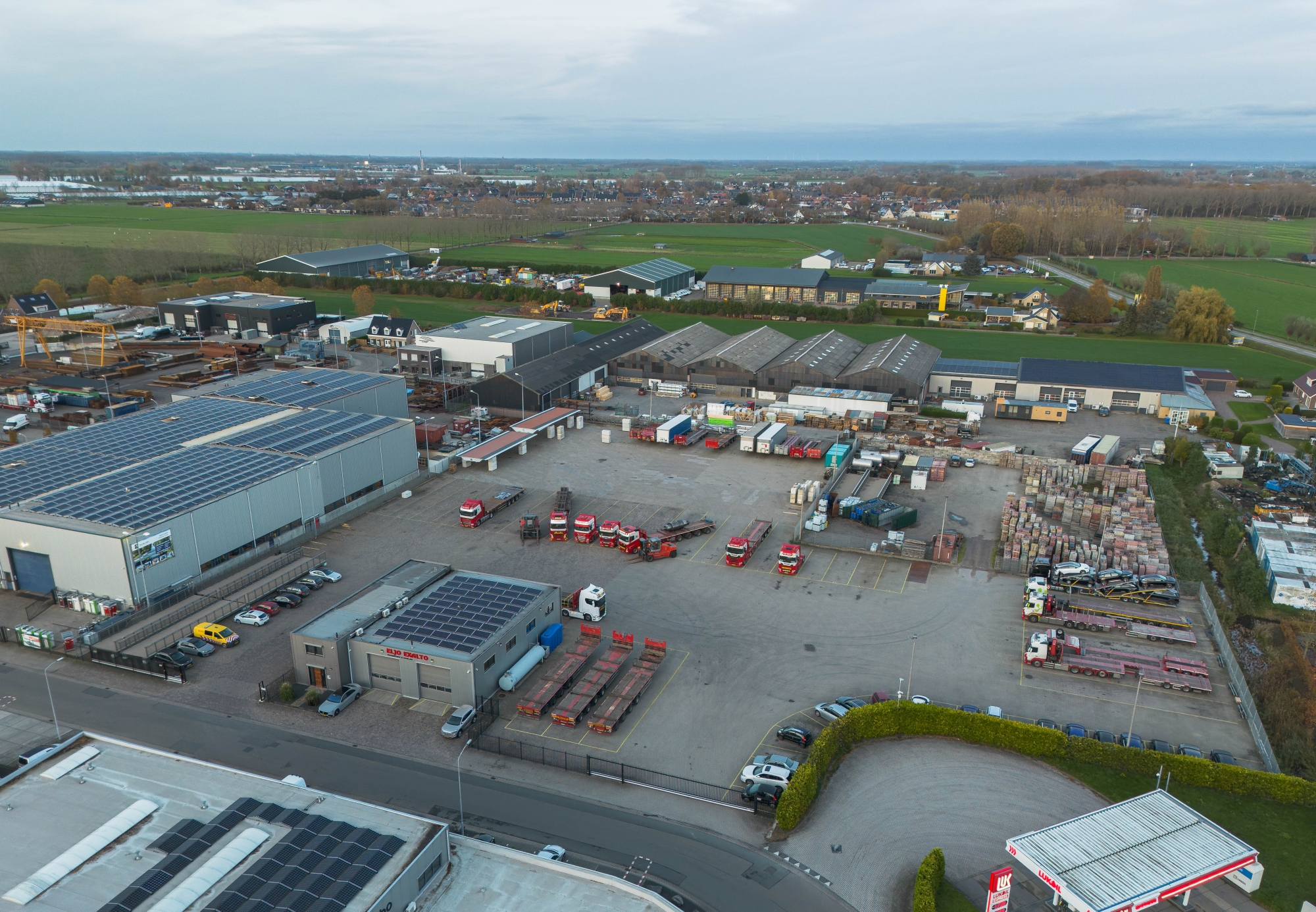
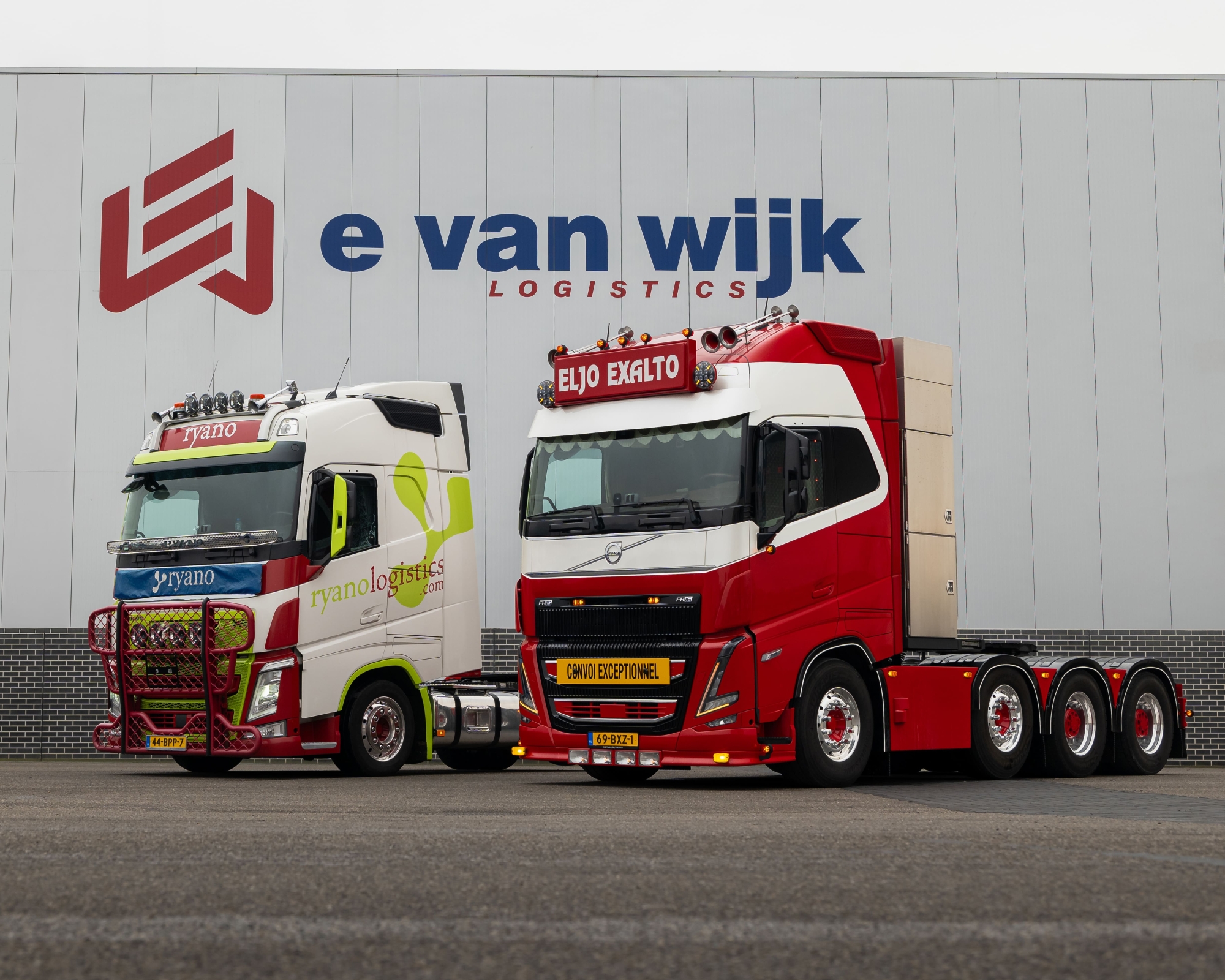
Giessen – 15 December 2025 – The E. van Wijk Group announces that, as of 1 January 2026, Ryano Logistics and Eljo Exalto Transport will continue together under one new name: E. van Wijk Exalto. This strategic merger is the next step in the expansion and strengthening of the logistics group’s exceptional and special transport division. The new organization will continue to operate fully as an independent business unit within the E. van Wijk Group.

The announcement follows the acquisition of Eljo Exalto Transport in February 2025, a strong player in exceptional and special transport for the infrastructure sector and heavy industry. This further expanded the special transport division, after the E. van Wijk Group had already added Ryano Logistics to the organization in 2021.

E. van Wijk exalto fusie

Joining forces in special and exceptional transport
With the integration of Eljo Exalto Transport and Ryano Logistics, a stronger, more complete and more recognizable brand is created within this specialized market segment. The expertise of both companies is combined within one organization, while maintaining the high-quality services for which they are known.

Ewout van Wijk, CEO of the E. van Wijk Group, emphasizes the importance of this next step:
“The further integration of Eljo Exalto Transport and Ryano Logistics into E. van Wijk Exalto is a logical and valuable step in our growth ambition. By bringing our strengths in exceptional transport together under one strong name, we increase the brand recognition of the E. van Wijk Group — also within the exceptional transport market. We strengthen our position and are able to serve our customers even better.”

Eljo Exalto, Managing Director of Eljo Exalto Transport, also emphasizes:
“The merger into E. van Wijk Exalto is a positive development for the further growth of the special transport division within the E. van Wijk Group. By combining our expertise with the scale of the family business, we can offer our customers even more quality and continuity.”

About the E. van Wijk Group
With 550 trucks and more than 1,200 employees, the E. van Wijk Group is an international logistics service provider active in transport and warehousing. From locations in the Netherlands, Romania, Poland and Ukraine, the family-owned company works daily on innovative, sustainable and customer-oriented logistics solutions.

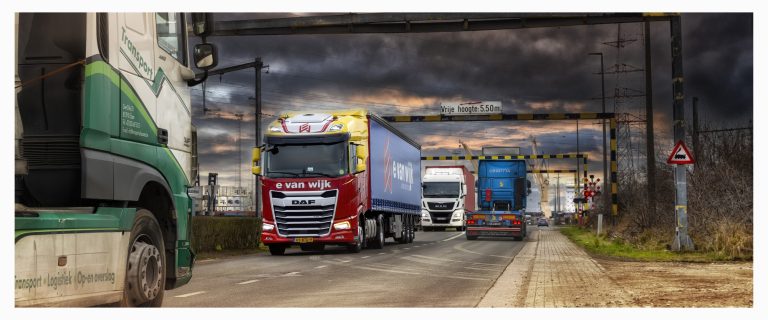
E. van Wijk Group speciaaltransportExalto transport E. van WijkE. van Wijk exalto fusie

In the transport industry, you will frequently encounter the term loading meter (LDM). However, it is not always immediately clear what a loading meter actually represents, how to calculate it, and how much space a pallet occupies in terms of LDMs. In this blog, you will learn the meaning of LDM in transport and how to apply these calculations in practice.

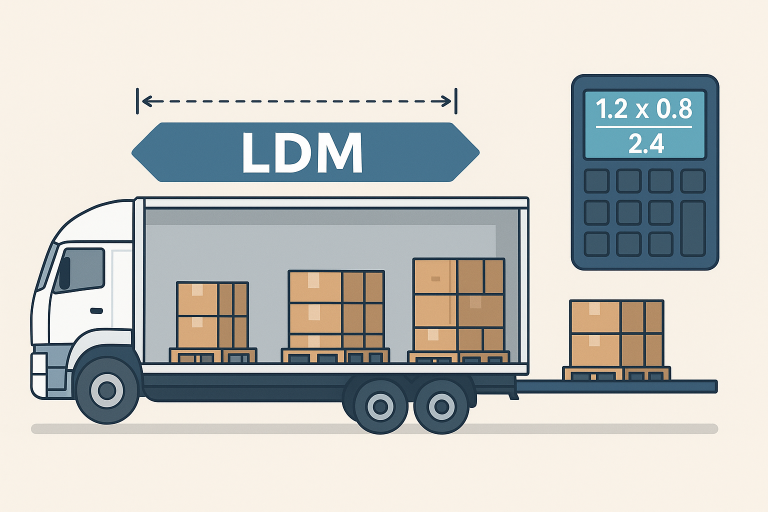
Laadmeter LDM met calculator

What is the meaning of LDM in transport?

LDM stands for loading meter. A loading meter indicates how much of a truck’s cargo space length is occupied by your shipment. It is not about the weight, but rather the floor space used in the longitudinal direction of the trailer.

One loading meter is always:

  • 1 meter in length

  • Across the full width of the trailer

  • Based on a standard width of 2.40 meters

Loading meters are primarily used in groupage and partial loads (LTL), where multiple shipments share a single trailer. This ensures the best possible use of the available space.

What exactly is a loading meter?
A loading meter is a way to allocate space within a truck. Instead of calculating based on individual pallets or cubic meters alone, it focuses on the length of the trailer required for your goods.

This allows a carrier to estimate:

  • How much space your shipment occupies

  • Which other shipments can be included

  • What the transport costs will be

How do you calculate LDM?

The question “how do you calculate LDM?” is a common one in shipping. The calculation is quite simple:

Formula:

Length of your shipment (in meters) × width (in meters) ÷ 2.40

Example:

Your shipment is 1.2 meters long and 0.8 meters wide.

(1.2 x 0.8) ÷ 2.40 = 0.40 LDM

This tells you exactly how much of the trailer’s space your goods will occupy.

How many LDMs is one block pallet?

A block pallet typically has dimensions of 1.00 x 1.20 meters.

This results in the following calculation:

(1.20 × 1.00) ÷ 2.40 = 0.50 LDM

This means that one block pallet occupies an average of half a loading meter. Consequently, two block pallets placed side by side equal approximately 1 LDM, depending on how they are positioned.

Loading meters and Euro pallets

A Euro pallet has dimensions of 0.80 x 1.20 meters. The calculation for a Euro pallet then becomes:

(1.20 × 0.80) ÷ 2.40 = 0.40 LDM

Practical implications:

2 Euro pallets placed side by side take up about 0.80 LDM

3 Euro pallets in a sequence result in approximately 1.20 LDM

The exact calculation is always subject to the actual placement within the trailer.

How many cubic meters (m3) is one loading meter?

The question of how many cubic meters are in a loading meter is frequently asked, but there is no fixed answer. This is because a loading meter measures length, whereas a cubic meter measures volume.

The following guideline is often used:

  • 1 LDM ≈ 1.8 to 2.0 m³ for standard cargo

  • This may vary for tall or lightweight goods

For this reason, transport calculations often involve both LDM and m³, depending on the available space and the weight of the shipment.

Hier is een sterke vertaling voor dit gedeelte. Ik heb gekozen voor termen die goed aansluiten bij de eerdere stukken:

When do we use LDM instead of pallets?

Loading meters are typically used when:

  • A shipment does not fit neatly within standard pallet dimensions

  • The height of the goods varies significantly

  • The shipment is a partial load (LTL)

  • The trailer layout determines the shipping price

For full truckloads (FTL), the calculation is more commonly based on the total number of pallets.

Why is LDM important for transport planning?

The loading meter determines:

  • Exactly how much space your shipment occupies

  • How many other shipments can be combined in the same trailer

  • The overall efficiency of the trailer’s load

An accurate calculation prevents misunderstandings during loading and ensures there is never a shortage of space on-site.

Conclusion

The loading meter (LDM) represents the linear length of a truck occupied by your shipment. You can calculate this based on the specific dimensions of your goods.

  • One block pallet averages 0.50 LDM

  • One Euro pallet averages 0.40 LDM

  • In practice, 1 LDM equals approximately 1.8 to 2.0 m³, depending on the height of the cargo

By accurately calculating loading meters in advance, you avoid surprises during loading and ensure the available trailer space is used to its full potential.

Do you have questions about loading meters or transport planning? You can contact us at any time for professional advice from the team at E. van Wijk Logistics.


Het vervoer van gevaarlijke stoffen is onmisbaar binnen de industrie, chemie en logistiek. Denk aan brandbare vloeistoffen, gassen of corrosieve materialen die dagelijks door Europa worden vervoerd. Maar achter deze cruciale transportstromen schuilt strikte wetgeving die de veiligheid van mens en milieu waarborgt: de Wet vervoer gevaarlijke stoffen (WVGS). In deze blog leggen we uit wat deze wet inhoudt, wat dit betekent voor vervoerders en hoe E. van Wijk Logistics zorgt voor veilig, efficiënt en volledig gecertificeerd transport.

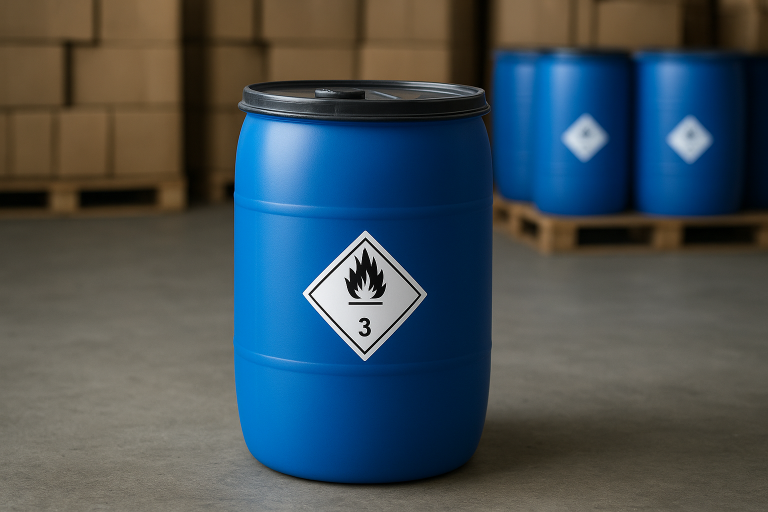
Blauwe UN-gecertificeerde kunststof vat met gevarenpictogram voor brandbare stoffen, geplaatst in een magazijnomgeving met meer vaten op de achtergrond.

Wat is de Wet vervoer gevaarlijke stoffen?

De Wet vervoer gevaarlijke stoffen vormt de wettelijke basis voor het transport van gevaarlijke goederen over weg, spoor en water in Nederland. De wet vertaalt internationale afspraken, zoals het ADR-verdrag (voor wegtransport) naar nationale regelgeving.

Het doel: risico’s tijdens het vervoer tot een minimum beperken en zorgen voor uniforme veiligheidsvoorschriften.

Wilt u de officiële wetstekst zelf nalezen? Bekijk dan de Wet vervoer gevaarlijke stoffen (WVGS) op wetten.overheid.nl

De WVGS stelt eisen aan:

  • Verpakking en etikettering van gevaarlijke stoffen;
  • Opleiding en certificering van chauffeurs;
  • Goedgekeurde voertuigen en uitrusting;
  • Noodprocedures bij incidenten of calamiteiten.

Elke schakel in de logistieke keten, van verlader tot vervoerder draagt verantwoordelijkheid voor naleving van deze regels.

Waarom is naleving zo belangrijk?

Bij het transport van gevaarlijke stoffen kunnen kleine fouten grote gevolgen hebben. Denk aan lekkages, brand of milieuschade. Door strikt volgens de Wet vervoer gevaarlijke stoffen te werken, worden deze risico’s sterk verminderd. Bedrijven die aan de wet voldoen:

  • Beschermen hun medewerkers, klanten en omgeving;
  • Vermijden hoge boetes of aansprakelijkheid bij incidenten;
  • Bouwen vertrouwen op bij opdrachtgevers en toezichthouders.

Bij E. van Wijk Logistics is naleving geen verplichting, maar een vanzelfsprekendheid. Veiligheid is geïntegreerd in elke stap van onze dienstverlening.

Hoe E. van Wijk Logistics werkt volgens de Wet vervoer gevaarlijke stoffen

Als ervaren logistiek dienstverlener beschikt E. van Wijk Logistics over alle kennis en certificeringen die nodig zijn voor veilig ADR transport. Onze chauffeurs zijn gecertificeerd volgens de ADR-richtlijnen en volgen regelmatig bijscholing. Bovendien voldoet ons wagenpark aan alle wettelijke eisen voor het vervoer van gevaarlijke stoffen.

Wij zorgen voor:

  • Volledige ADR-compliance bij elke zending;
  • Goedgekeurde verpakkingen en etikettering;
  • Continue monitoring en veiligheidscontroles;
  • Efficiënt transport door heel Europa met korte communicatielijnen.

Met onze persoonlijke benadering en betrouwbare werkwijze weten klanten zeker dat hun goederen veilig en op tijd arriveren.

De Wet vervoer gevaarlijke stoffen in de praktijk

De toepassing van de WVGS is zichtbaar in uiteenlopende sectoren. Of het nu gaat om chemische producten, brandbare vloeistoffen of industriële materialen: elk transport vraagt om specifieke voorzorgsmaatregelen. Door de juiste kennis en middelen in te zetten, zorgt E. van Wijk Logistics ervoor dat gevaarlijke stoffen veilig, verantwoord en volgens wetgeving worden vervoerd van fabriek tot eindbestemming.

Veelgestelde vragen over de Wet vervoer gevaarlijke stoffen

Wat valt onder de Wet vervoer gevaarlijke stoffen?

De Wet vervoer gevaarlijke stoffen (WVGS) regelt het vervoer van gevaarlijke goederen over weg, spoor en water. Denk aan brandbare vloeistoffen, gassen, giftige of corrosieve stoffen. De wet beschrijft onder andere veiligheidsvoorschriften, verpakkingsnormen en certificeringseisen voor chauffeurs en voertuigen.

Wat is het verschil tussen ADR en de Wet vervoer gevaarlijke stoffen?

De WVGS is de Nederlandse implementatie van internationale afspraken zoals het ADR-verdrag. Het ADR geldt voor internationaal wegvervoer, terwijl de WVGS ook regels bevat voor binnenlands vervoer.

Wie is verantwoordelijk voor naleving van de wet?

Zowel de verlader, vervoerder als chauffeur draagt verantwoordelijkheid voor het naleven van de veiligheidsregels. Samen zorgen zij voor correct etiketteerde, verpakte en vervoerde goederen.

Waar kan ik terecht voor veilig ADR transport?

E. van Wijk Logistics beschikt over gecertificeerde chauffeurs, moderne voertuigen en jarenlange ervaring in ADR-transport.

Heeft u vragen over het veilig vervoeren van gevaarlijke stoffen of wilt u weten hoe E. van Wijk dit voor uw organisatie kan verzorgen?

Neem vrijblijvend contact op met één van onze specialisten. Wij denken graag met u mee over de beste en veiligste oplossing voor uw transportvraagstuk.

Many companies deal with storage and logistics, but the distinction between a distribution center and a warehouse isn’t always clear. In this blog, we explain what each term means, what warehousing involves, and how to make the right choice for your business.

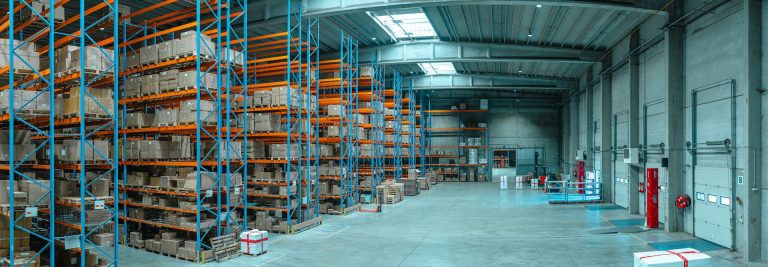
Magazijn stellingen in een distributiecentrum

What is a distribution center?

Definition of a distribution center: A distribution center (DC) is a facility where products are received, stored, processed, and shipped to customers, retail stores, or other businesses. It is a hub for order fulfillment, packaging, and shipping, ensuring that goods move quickly through the supply chain.

Functions of a distribution center

A distribution center helps you with:

  • Receiving and storing incoming goods

  • Order picking and packaging

  • Timely shipping to customers or retail stores

  • Cross-docking, where goods are directly routed to their next destination

Examples of distribution centers

Online retailers such as Amazon or Bol.com use distribution centers to process thousands of orders per day. In the industrial sector, distribution centers also play a vital role in streamlining logistics.

What is a warehouse?

Definition of a warehouse: A warehouse is a storage facility where products are kept safely until they are needed. The focus is on inventory management rather than fast processing or shipping.

Differences between a warehouse and a distribution center

Feature

Warehouse

Distribution Center

Storage

Yes

Yes

Order Processing

Often limited 

Core function

Throughput Speed

Lower

High, focused on fast delivery

Logistics Role

Storage only

Storage + processing + shipping + cross-docking

A warehouse is suitable if your primary goal is to store products, whereas a distribution center is ideal when speed and processing are key.

What is warehousing?

Warehousing describes the process of storing, managing, and distributing goods. This includes all activities that take place within a warehouse or distribution center:

  • Storage of products

  • Inventory management

  • Order fulfillment

  • Transport preparation

  • Cross-docking for fast throughput (optional)

In short: a warehouse is the location, a distribution center is the location plus processing, and warehousing is everything you do within that space to ensure logistics run smoothly.

What is cross-docking?

Cross-docking is a logistics method where goods are transferred directly from inbound to outbound transport, without long-term storage. This typically takes place in a distribution center and provides:

  • Faster delivery to customers or retail stores

  • Reduced need for storage space

  • Lower logistics costs

Cross-docking works well for products with a high turnover rate or when fast delivery is critical.

Read also: Is cross-docking appropriate for your organization?


Distribution center or warehouse: which suits your organization best?

When choosing between a warehouse and a distribution center, several factors come into play:

  • How fast do you want your products to reach your customers?

  • How large is your inventory, and what is your turnover rate?

  • Do you want to use cross-docking for fast throughput?

If speed, processing, and fast throughput are important, a distribution center offers significant advantages. If your primary focus is product storage, a warehouse is often sufficient.

Frequently Asked Questions (FAQ)

What exactly does a distribution center do?
A distribution center receives, stores, processes, and ships products to customers or retail stores. Cross-docking can also take place here.

Is a warehouse the same as a distribution center?
No. A warehouse is primarily a storage facility, whereas a distribution center also handles order fulfillment, shipping, and cross-docking.

What is warehousing?
Warehousing is the process of storage, inventory management, order fulfillment, and transport preparation within a warehouse or distribution center.

What is cross-docking?
Cross-docking is the direct transfer of goods from inbound to outbound transport, without long-term storage.

Summary

While a distribution center and a warehouse overlap in terms of storage, their functions differ. A distribution center processes and ships goods and can utilize cross-docking, whereas a warehouse primarily provides a secure location for storage. Warehousing encompasses all activities related to storage, processing, and transport.

Do you have questions about which type of storage best suits your organization? At E. van Wijk Logistics, we are happy to advise you on solutions that combine speed, throughput, and efficiency.

At E. van Wijk Logistics, we understand that the right packaging is essential for the safe and efficient transport of your goods. In this article, we explain what emballage is, why it is important, and how we can support you with our logistics solutions.

Embalage

What is emballage?

Definition of emballage

Emballage refers to the materials used to package goods for storage or transport. Its purpose is to protect products from damage, contamination, and loss of quality. Emballage can range from simple cardboard boxes to complex systems for bulk goods.

Different types of emballage

There are various forms of emballage, depending on the type of product and the specific requirements:

  • Consumables: such as cardboard boxes and plastic bags.
  • Reusable systems: such as pallets, crates, and containers.
  • Specialized emballage: for fragile or hazardous goods, including temperature-controlled packaging.

The importance of transport emballage in logistics

Protecting goods during transport

During transit, goods can be exposed to various risks, such as bumps, shocks, moisture, or temperature fluctuations. The right transport emballage minimizes these risks and ensures that your products arrive at their destination in optimal condition.

Cost savings through efficient use

Well-chosen and efficiently used emballage can lead to lower transport costs. By optimizing volume, for example, more goods can be transported per shipment, resulting in fewer trips and lower fuel costs.

Sustainability and reuse

At E. van Wijk Logistics, we attach great importance to sustainability. We encourage the use of reusable emballage and apply circular logistics solutions wherever possible. This contributes not only to the environment but also to long-term cost savings.

Types of transport emballage used by E. van Wijk Logistics

Cardboard boxes and trays

For smaller or lighter products, cardboard boxes and trays offer a cost-effective solution. They are lightweight, stackable, and can easily be adjusted to the dimensions of the goods.

Wooden pallets and crates

For heavier or larger products, we use wooden pallets and crates. These provide strength and stability during transport and are suitable for both domestic and international shipments.

Crates and bulk containers

For bulk goods or products that require extra protection, we use crates and bulk containers. These systems are designed for reuse and can be tailored to the specific requirements of the customer.

Tips for choosing the right transport emballage

  • Depending on the type of product
    Choose emballage that suits the nature of your product. Fragile goods, for instance, require sturdier or cushioning materials, while temperature-sensitive products need specialized insulation.
  • Weight and fragility of the load
    Heavier or delicate products require more robust emballage to prevent damage during transport. Consider the possibility of stacking and the use of specialized securing materials.
  • Optimizing storage and transport
    Consider the efficiency of storage and transport. Using standardized sizes can help optimize space in storage facilities and transport vehicles.

Frequently asked questions about emballage and transport emballage

What is the difference between emballage and transport emballage?

Emballage is the general term for materials used to package goods, whereas transport emballage is specifically designed to protect and support products during transit. Transport emballage is often heavier, more robust, and frequently reusable.

Which types of emballage are most suitable for fragile goods?

For fragile products, sturdy cardboard boxes with extra padding, wooden crates, or specially designed plastic crates are ideal. Additionally, cushioning materials such as foam or air cushions can provide extra protection.

How does proper transport emballage contribute to sustainability?

By using reusable and recyclable emballage, the amount of disposable packaging can be reduced. This saves raw materials and reduces waste, while ensuring products remain safe during transport.

Can E. van Wijk Logistics advise on the right emballage for my products?

Yes, our team is happy to advise you on the most efficient and secure solutions, tailored to your product type, weight, and transport requirements.

How can I save costs with the right transport emballage?

By choosing emballage that optimizes volume, is reusable, and prevents damage during transit, you can significantly reduce transport and replacement costs.

Why good emballage is essential

Good emballage is more than just packaging; it is an essential part of the logistics process. It ensures the protection of your products, can save costs, and contributes to more sustainable business operations. At E. van Wijk Logistics, we are ready to advise and support you in choosing the right transport emballage for your specific needs.

If you would like to learn more about our logistics solutions or have specific questions about transport or emballage, please feel free to contact us. We are happy to assist you.

At E. van Wijk Logistics, we assist companies with international shipments every day. A crucial part of this process involves Incoterms, which are international commercial terms that clearly define who is responsible for transport, insurance, customs, and costs. Two frequently used Incoterms are DAP (Delivered At Place) and DDP (Delivered Duty Paid). In this article, we explain what they mean, highlight the differences, and help you make the right choice for your shipments.

E van Wijk internationale zending

What are Incoterms and why are they important?

Definition of Incoterms

An Incoterm is an internationally recognized commercial rule that defines who is responsible for the delivery of goods, the costs, and the risks during transport. Incoterms ensure clarity between buyer and seller in international trade.

The purpose of Incoterms in international trade

Incoterms help prevent misunderstandings by defining who is responsible for transport, insurance, customs formalities, and bearing risks. This is crucial for a smooth logistical process, especially for cross-border deliveries.

How DAP and DDP Incoterms work

Both DAP and DDP are Incoterms that specify who is responsible for delivery to the agreed location. The main difference lies in the responsibility for customs and import duties, as we will explain further below.

What do DAP and DDP mean?

Definition of DAP (Delivered At Place)

Under DAP, the seller delivers the goods to the agreed destination, ready for unloading. The seller bears the costs and risks up to that location, but the buyer is responsible for import duties and customs formalities.

Definition of DDP (Delivered Duty Paid)

Under DDP, the seller assumes full responsibility: transport, risks, and customs formalities, including import duties. The buyer receives the goods directly without any additional obligations.

Key differences between DAP and DDP

Feature

DAP

DDP

Transport costs

Seller

Seller

Risk until destination

Seller

Seller

Customs & import duties

Buyer

Seller

Ideal for

Buyers who handle customs themselves

Buyers who prefer a turnkey solution

When should you choose DAP?

Seller’s responsibilities

The seller arranges transport and insurance, and delivers the goods to the agreed location. The risk remains with the seller until delivery.

Buyer’s responsibilities

The buyer is responsible for import duties, taxes, and customs formalities upon the arrival of the goods.

Practical examples in logistics

DAP is ideal when the buyer has experience with customs and imports in the destination country, or when the buyer wants to take advantage of specific supplier benefits themselves.

When should you choose DDP?

Seller’s responsibilities

The seller handles everything: transport, insurance, customs formalities, and the payment of import duties. The buyer receives the goods as a “turnkey” delivery.

Buyer’s responsibilities

The buyer only needs to receive the goods; all logistical and customs tasks rest with the seller.

Practical examples in logistics

DDP is useful when the buyer is unfamiliar with local customs or simply wants a fully managed delivery. It offers maximum certainty and convenience.

Pros and Cons of DAP and DDP

Advantages of DAP

  • Lower costs for the seller: The seller is not responsible for import duties or taxes.

  • Buyer control: Buyers can manage their own imports and sometimes save on customs fees.

  • Flexibility: Highly effective for cross-border transport where the buyer has local expertise.

Disadvantages of DAP

  • Buyer responsibility: The buyer bears full responsibility for customs formalities.

  • Administrative burden: Potentially higher administrative workload for the buyer.

Advantages of DDP

  • Turnkey delivery: The buyer receives everything ready to use.
  • Hassle-free: No concerns regarding customs or import duties for the buyer.
  • Reliable delivery: Provides a seamless experience with no additional risk for the buyer.

Disadvantages of DDP

  • Maximum seller risk: The seller bears all costs and risks throughout the entire process.
  • Complex handling: More complicated logistics and administrative procedures for the seller.

Tips for choosing the right Incoterm

Depending on the nature of your goods

Heavy or complex shipments requiring extensive customs documentation are often better suited for DDP. Simple deliveries, or situations where the buyer has experience with customs, can be handled effectively via DAP.

Depending on customs and tax regulations

Always check the local import regulations. DDP can be advantageous in countries with complex customs laws, while DAP may be more cost-effective when import duties are low.

Partnering with a logistics provider

A reliable logistics partner like E. van Wijk Logistics can advise you on the most efficient Incoterm, assist with customs formalities, and ensure that your goods arrive safely and on time.

Frequently Asked Questions (FAQ) about DAP and DDP

What exactly is an Incoterm?

An Incoterm is an international delivery term that defines the responsibilities of the buyer and seller during transport.

What is the difference between DAP and DDP?

Under DAP, the buyer pays the import duties; under DDP, the seller pays these costs and handles all customs formalities.

Who pays the import duties under DDP?

The seller pays all import duties and customs costs.

Can E. van Wijk Logistics assist with shipments under DAP or DDP?

Yes, we provide advice on the correct Incoterm, arrange transport, and offer support with customs and documentation.

DAP or DDP: which Incoterm fits your situation?

The choice between DAP and DDP depends on who wants to bear the responsibility for customs and import duties, as well as the complexity of the shipment. At E. van Wijk Logistics, we are happy to help you choose the right Incoterm, ensuring your international shipments are handled safely, efficiently, and in full compliance with regulations.

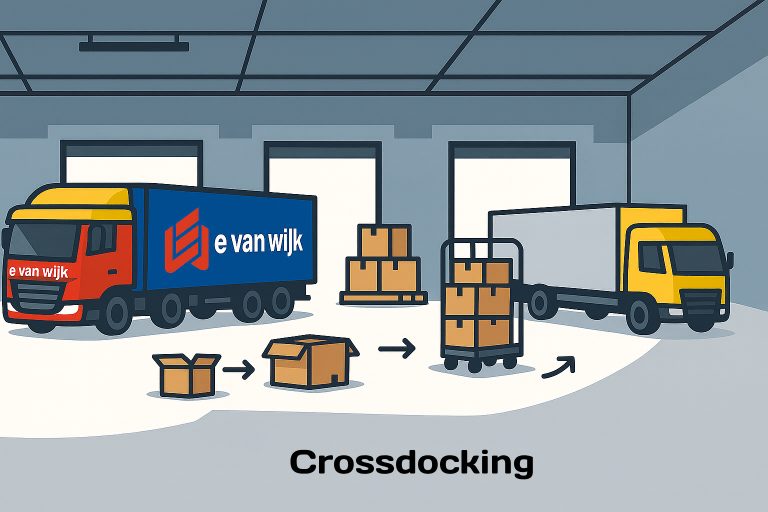
In a world where speed, cost control, and delivery reliability are becoming increasingly important, cross-docking can be a smart solution. But what exactly is cross-docking? How does it work, and is it the right choice for your organization? In this blog, we explain the concept and show you what E. van Wijk Logistics can do for you.

What exactly is cross-docking?

Cross-docking is a logistics method in which goods are stored little or not at all, but are immediately transferred upon arrival for further transport to their final destination. This largely eliminates the traditional warehouse process.

In practice, this means that a truck delivers goods to our cross-dock center, after which the shipment is immediately sorted and prepared for dispatch. This process can be completed within just a few hours, significantly reducing lead time.

The difference from storage is clear: in traditional warehousing, goods remain in stock for a longer period, resulting in extra handling and costs. Cross-docking, on the other hand, is all about speed and efficiency, with minimal storage time.

When should you choose cross-docking?

Cross-docking is particularly suitable for goods that need to be delivered quickly or for which storage is unnecessary. Think of perishable products such as fresh food, but also seasonal items or promotional goods with a short lifespan.

Industries that benefit most from cross-docking include retail, e-commerce, FMCG (fast-moving consumer goods), and automotive. In these sectors, demand is often time-critical, and reducing inventory costs is a major advantage.

What are the benefits of cross-docking?

The advantages of cross-docking are clear:

  • Speed and lower costs – Since goods are forwarded directly, lead times are shorter, and you save on storage and handling costs.

  • Less storage space and fewer handlings – You need less warehouse space, and the number of times goods are moved is minimized.

  • Improved delivery reliability – Faster throughput and fewer steps in the process lead to fewer errors and delays, making deliveries more consistent and predictable.

What do you need to get started with cross-docking?

A well-functioning cross-dock process requires tight planning, clear communication, and the right facilities. Key prerequisites include a properly equipped transfer location, sufficient capacity for fast throughput, and experienced staff to manage the process.

In addition, ICT support is essential. Real-time tracking, inventory management, and automated planning ensure that goods flows are perfectly aligned. This prevents waiting times and allows you to respond flexibly to last-minute changes.

Working with a logistics partner that has extensive cross-docking experience, such as E. van Wijk Logistics, gives you access to proven processes and an established transport network.

Is cross-docking the right choice for your organization?

Before switching to cross-docking, it’s important to determine whether it fits within your supply chain. Use this checklist, for example:

  • Are your goods suitable for direct transfer?

  • Are your delivery times tight or seasonal?

  • Can you benefit from lower storage costs?

Common mistakes when transitioning to cross-docking include insufficient preparation, underestimating ICT requirements, and lack of coordination with suppliers and customers. If your goods actually require long-term storage or are often consolidated with other shipments, a traditional fulfillment or warehousing solution may be more suitable.

Ready to distribute smarter?

At E. van Wijk Logistics, we have many years of experience with cross-docking for different industries and flows of goods. We support you in setting up an efficient process, including integrations with your systems and optimal use of our network.

Would you like to know how cross-docking can make your logistics faster, more efficient, and more cost-effective? Contact us for a free analysis. Together, we’ll determine whether cross-docking is the right step for your organization.

Logistics is no longer just a matter of moving boxes. Increasingly, companies are choosing partners who take on not only the execution but also the full management of the supply chain. This is where 4PL Logistics—or Fourth Party Logistics—comes into play. But what exactly is 4PL? Simply put, it means that you outsource not only the execution of your logistics (as with 3PL) but also the complete coordination, strategy, and administration to an external director.

In this blog, we explain what 4PL entails, how it compares to models such as 2PL and 3PL, and why more and more companies are choosing a 4PL partner to make their logistics chain future-proof.

electric trucks e van wijk

What does 4PL (Fourth Party Logistics) mean?

4PL, or Fourth-Party Logistics, represents the highest level of logistics outsourcing. Unlike 3PL Logistics, which focuses on physical execution (transport, storage, order processing), a 4PL partner focuses on the management, strategy, and administration of the entire logistical process.

A 4PL provider acts as a central link between you and various logistics parties (such as 3PLs, carriers, and warehousing partners). This means you outsource the complete supply chain—including planning systems, inventory management, contract management, reporting, and invoicing—to a single lead coordinator.

The Difference Between 3PL and 4PL Logistics

While Third-Party Logistics (3PL) revolves around the execution of physical processes (such as transport and warehousing), Fourth-Party Logistics (4PL) goes a step further. With 4PL, you also outsource the management, administration, and optimization to a specialized service provider. Your 4PL partner therefore manages the collaboration with other parties, such as multiple 3PL providers, and directs them from a central point.

Vergelijkingstabel:

Feature

3PL

4PL

Warehousing

Outsourced to a 3PL partner

Beheerd via 3PL, gecoördineerd door 4PL

Transport

Outsourced to a 3PL partner

Directed and orchestrated via 4PL

Order Processing

Executed by 3PL

Planned and monitored by 4PL

External Partners

Single partner

Multiple partners, centrally managed

Administration

Handled by yourself

Handled by 4PL : invoicing, reporting, SLAs

Control

Partial control over execution

Full supply chain oversight via 4PL

Examples of 4PL in practice

A 4PL solution is particularly suitable for companies with complex logistical flows, international shipments, or multi-channel distribution. Examples include manufacturers, e-commerce platforms, or retailers who want to optimize their entire supply chain without having to manage every single link in the chain themselves.

Practical Examples of a 4PL Approach:

  • Single point of contact for all logistical processes and partners.

  • 4PL partner selects and manages the best 3PL service providers.

  • Supply chain planning and capacity management.

  • Reporting, cost control, and contract administration are handled centrally.

  • System integration between your ERP and all involved logistics partners.

Difference between 4PL and other logistics models (1PL, 2PL, 3PL)

The overview below shows how 4PL relates to other models in the logistics chain, ranging from complete in-house management to full outsourcing, including supply chain orchestration:

Logistics Model

Who performs the work?

Example Activity

1PL

Yourself (In-house)

Production, storage, transport

2PL

External carrier

Transport only via hired driver/carrier

3PL

Logistics service provider

Transport, storage, order processing

4PL

Supply chain orchestrator (e.g., E. van Wijk)

Supply chain management, optimization, administration, and planning

4PL Management: Strategic Oversight of Your Supply Chain

With 4PL management, you rely on an external partner to manage your entire logistics chain, including:

  • Selection and management of carriers and 3PLs

  • Data analysis and continuous process optimization

  • Management of contracts, SLAs, and invoicing

  • Reporting and dashboards with real-time insights

  • Integration of IT systems and automation

This allows you to remain focused on your core business, while your supply chain is fully managed by an experienced 4PL partner.

Advantages of 4PL Logistics

  • Full outsourcing and coordination of your supply chain.

  • Strategic advice and continuous process improvement.

  • Reduced administrative burden: less in-house staff required.

  • Flexibility through collaboration with multiple 3PLs.

  • End-to-end visibility into performance and costs.

Potential Disadvantages of 4PL

  • Less direct influence on operational choices.

  • Strong dependence on the 4PL orchestrator.

  • Requires high levels of trust and transparency in the partnership.

Partnering with E. van Wijk Logistics as your 4PL partner

If you are looking for a partner that not only executes but also orchestrates, E. van Wijk Logistics is your ideal 4PL partner in the Netherlands. We combine years of experience in transport and warehousing with smart IT solutions and supply chain orchestration.

How can E. van Wijk support you with 4PL Logistics?

  • Coordination of multiple 3PL partners

  • Administrative handling of logistical processes

  • Contract management, invoicing, and reporting

  • Data-driven supply chain management

  • Proactive optimization of capacity, routes, and lead times

 By choosing E. van Wijk, you select an orchestrator who oversees and improves your entire logistics operation. From strategic planning to the final mile—we ensure your supply chain is seamless.

Would you like to learn more about how we can make your logistics smarter and more efficient through 4PL? Feel free to contact us for a consultation.

Giessen, 10 april 2025 We are proud to announce that Sunbeam is now an official sustainability partner. This partnership affirms our shared commitment to corporate social responsibility. By combining Sunbeam’s climate-neutral mounting systems with E. van Wijk’s sustainable logistics solutions, we are taking a significant step toward greening the entire supply chain — from production to transport.

Sustainable Steps for a Greener Supply Chain

Sunbeam recently received a sustainability certificate for its conscious decision to carry out all its transport using HVO100 fuel. E. van Wijk facilitates this transition and now handles all transport fully on HVO100. This results in an impressive 89% reduction in CO₂ emissions compared to conventional diesel. It highlights our joint sustainability ambitions and demonstrates how partnership can contribute to a future-proof logistics chain.

Investing in Innovation and Renewable Energy

Our collaboration with Sunbeam is not new. We have been working together on innovative projects for some time. What makes this partnership unique is that Sunbeam supplied the sustainable substructure for the solar panels at our Giessen facility. Together, we are building a future in which logistics and production go hand in hand with sustainable choices.

Stronger Together Through Flexibility and Open Communication

The personal contact and our shared vision to support Sunbeam’s customers every day make this partnership truly valuable. Thanks to short lines of communication and an open attitude, we can respond quickly and find solutions to unexpected situations. This is especially important for urgent shipments and special requests, where reliability and flexibility are crucial.

Sustainability is not a temporary ambition for us, but an essential part of how we operate. Together with partners like Sunbeam, we continue to invest in innovation and new technologies that contribute to greener logistics services. By sharing knowledge and experience, we strengthen each other and are able to respond faster to new sustainable opportunities or challenges. This allows us to continuously improve our services — not just making them more efficient, but also future-proof and socially responsible.

Exploring Sustainable Opportunities?

Curious how your supply chain or production process can become greener? Or do you want to make sustainability a priority at every stage, just like Sunbeam? We’re happy to think along with you. Contact us and discover how we can make the transition together — shipment by shipment, choice by choice.

Giessen, June 26, 2025 – We are proud to announce a significant milestone in the history of our company: as of today, Steenbergen Transport has officially joined the E. van Wijk Group. This acquisition represents a strategic expansion of our network within the Benelux and reinforces our long-term vision for growth, collaboration, and customer focus.

E. van Wijk Group neemt Steenbergen over

A strong family business and a trusted name in logistics

Steenbergen Transport has been a well-established name in the logistics industry for decades. With over 300 employees, a modern fleet of 180 vehicles, and a strong presence in both national and international markets, the company is a valuable addition to our existing network. Steenbergen will continue to operate independently within the group. Together, we will be able to serve both national and international customers even more effectively.

Shared Values, A Unified Future

What makes this acquisition truly special is the shared foundation on which it is built: a family business culture, long-term customer relationships, and a commitment to continuity and innovation. By combining our strengths, we can further enhance our service offering, leverage economies of scale, and deliver even greater value—ranging from regional distribution to international transport.

More Capacity, Broader Reach, Same Commitment

For our customers, this move means increased availability, faster turnaround times, and even stronger coverage across the Benelux and beyond. At the same time, our core values remain unchanged: reliability, flexibility, and personal service. Together, we are shaping a future-proof logistics service where people, processes, and partnerships take center stage.

Welcome, Steenbergen — Moving Forward Together

We warmly welcome all Steenbergen Transport employees to the E. van Wijk Group. This step marks the beginning of a shared future, rooted in quality, continuity, and sustainable growth. The road ahead is full of opportunity—and we are excited to travel it together.

Request a quotation