


 Back to blogs
 What is 2PL logistics?

22 February 2025

Petar Micic
February 22, 2025 – In the rapidly changing world of logistics, it is crucial to continuously respond to the needs of your company and customers. One innovative solution that is increasingly helping businesses streamline their supply chains is 4PL logistics. But what exactly is 4PL, and how can it improve your logistics processes? In this article, we explain what 4PL means, its benefits, and how it can contribute to a more efficient and sustainable business model.
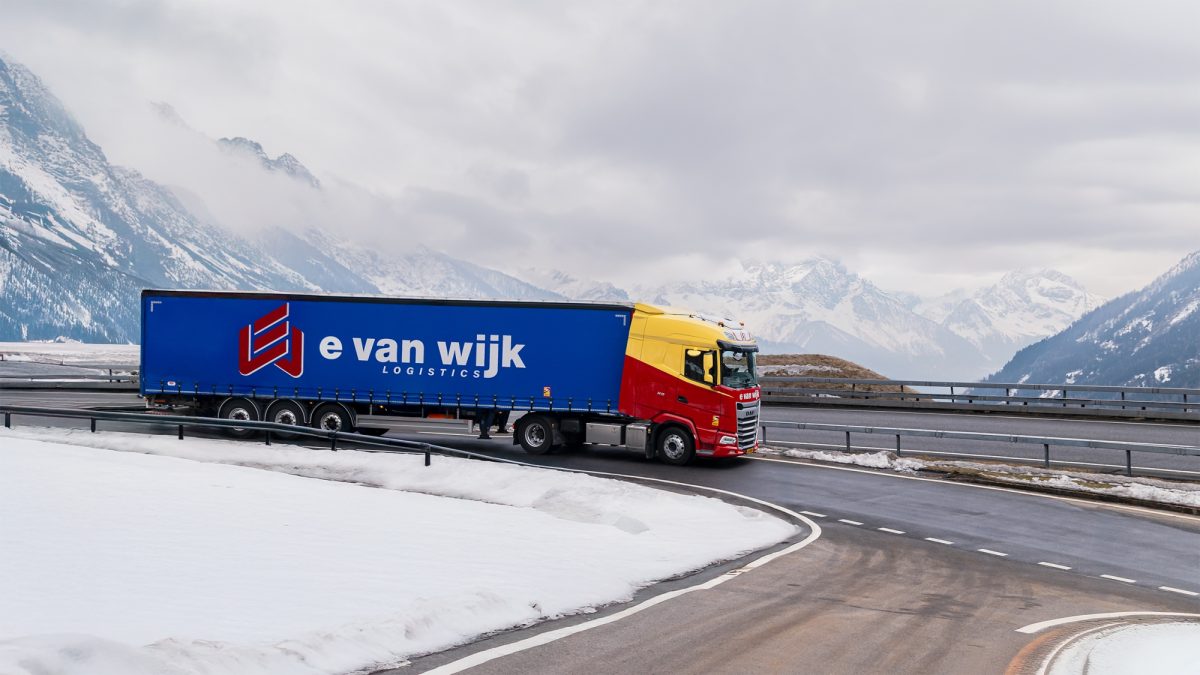
What does 2PL (Second Party Logistics) mean?
2PL, or Second Party Logistics, refers to logistics services provided by an external party that is solely responsible for the execution of transportation. Think of a transport company that moves goods for you from location A to location B.
Unlike 1PL, where you manage everything yourself, with 2PL you only outsource the transportation. You remain responsible for managing the logistics processes, while the execution of the transport is handled by a specialized carrier.
Difference between 2PL and 3PL logistics
In 2PL logistics, a company outsources only the transport to an external party, while keeping storage and order processing in-house. This means the company still directly manages warehouse operations and order handling but uses specialized carriers for transporting goods.
3PL logistics takes this a step further. Here, a company outsources not only transportation but also storage, order processing, and sometimes additional services such as packaging and returns management. A 3PL partner offers a more comprehensive service and takes over a larger part of the logistics chain. This allows the company to focus more on its core activities while the 3PL provider manages all or most of the logistics execution.
| Aspect | 2PL | 3PL |
|---|---|---|
| Storage | In-house | Outsourced to 3PL partner |
| Transport | Outsourced to carrier | Outsourced to 3PL partner |
| Order processing | In-house | Outsourced to 3PL partner |
| External partners | Only for transport | For transport, storage, and handling |
| Control | Partial | More outsourced, less internal |
Examples of a 2PL approach in practice
2PL logistics means a company outsources the transport of goods to an external carrier while keeping other logistics activities in-house. This model is ideal for companies that want to retain partial control over their logistics but do not own or want to operate their own transport fleet.
Examples of 2PL activities:
-
Outsourcing transport to specialized carriers
-
Managing own warehouses and inventory internally
-
Maintaining own planning and order systems
Difference between 2PL and other logistics models (1PL, 3PL, 4PL)
| Logistics model | Who does the work? | Example activity |
|---|---|---|
| 1PL | Yourself | Production, storage, transport |
| 2PL | External carrier | Transport with hired driver |
| 3PL | External logistics provider | Transport, storage, order handling |
| 4PL | Supply chain orchestrator | Full chain management and optimization |
Interested in other models? Also check out our blogs about 1PL, 3PL, and 4PL logistics.
2PL management: keeping control, outsourcing execution
In a 2PL structure, you as a company remain responsible for inventory management, order processing, and customer communication, but outsource the transport execution to an external partner. This means:
-
Managing your own order and inventory systems
-
Planning your own shipments
-
Coordinating and managing external carriers
