


 Back to blogs
 What is 1PL Logistics?

10 February 2025

Petar Micic
In the logistics world, terms like 2PL, 3PL, and 4PL are often mentioned, but everything starts at the basics: 1PL logistics. But what exactly is 1PL? And why does it remain relevant for companies that want to fully manage their logistics themselves?
1PL logistics (First Party Logistics) refers to companies that handle their entire logistics process in-house — from storage to transportation, everything is managed internally. For businesses seeking maximum control over their supply chain, 1PL offers compelling advantages. In this blog, we explain what 1PL entails, how it works in practice, and when this approach is the right fit.
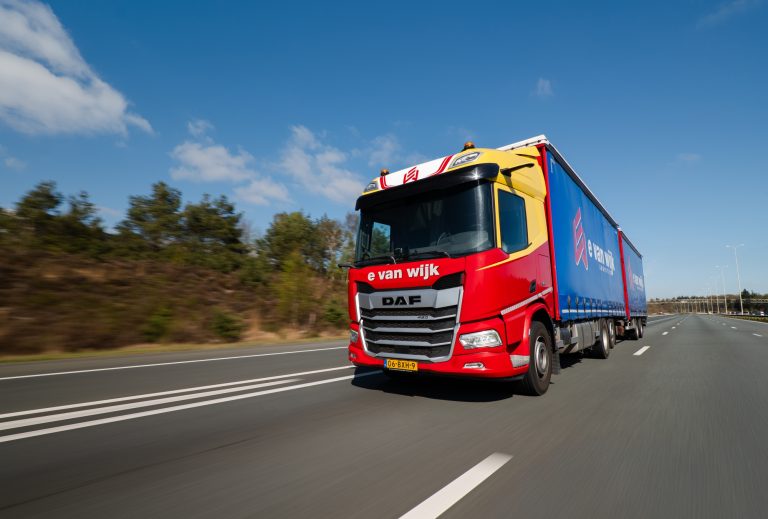
What does 1PL mean?
What is 1PL? The term 1PL stands for First Party Logistics. This means that a company is fully responsible for its entire logistics process without involving external service providers. The company owns or manages the warehouse, the transport vehicles (such as trucks or vans), and the personnel.
This approach is especially popular among organizations that highly value direct control, confidentiality, and internal process optimization.
What is the difference between 1PL and 2PL logistics?
In 2PL logistics, the transportation part is outsourced to an external carrier. The company remains the owner of the products and manages storage and order processing itself but contracts a transport company for deliveries, for example.
| Aspect | 1PL | 2PL |
|---|---|---|
| Storage | Managed in-house | Managed in-house |
| Transport | Managed in-house | Outsourced to carrier |
| External partners | None | Only for transport |
| Control | Fully internal | Partial |
Examples of 1PL in practice
1PL logistics means a company manages its logistics activities itself, from inventory management to delivery, without using external parties or logistics partners. This model is common among companies with small or local customer bases where logistics scale is limited and manageable.
Examples of 1PL activities include:
-
Own drivers and transport vehicles
-
Own warehouses or storage facilities
-
Own planning and order systems
How does 1PL work in practice?
A 1PL company manages the entire process from production to delivery internally. Imagine a local bakery that produces bread daily, stores it itself, and delivers it with its own vans to shops or customers in the region. Everything happens within the same organization.
Common sectors where 1PL is applied:
-
Agriculture: farmers delivering directly to buyers or markets
-
Retail: smaller chains with their own logistics
-
Manufacturing: factories delivering directly to the end customer
The role of 1PL within the logistics chain
The term First Party Logistics refers to the first level in the logistics chain. The producer or supplier manages the entire chain themselves. This requires strong 1PL management: internal systems, trained personnel, and insights into inventory, routes, and customer needs.
Difference between 1PL and other models (2PL, 3PL, 4PL)
As companies grow, they often outsource parts of their logistics. Here’s an overview:
| Logistics model | Who does the work? | Example activity |
|---|---|---|
| 1PL | You | Production, storage, transport |
| 2PL | External carrier | Transport with hired driver |
| 3PL | External logistics partner | Transport, storage, order handling |
| 4PL | Supply chain orchestrator | Complete chain optimization |
1PL management: keeping full control
With 1PL, the company has full control over every logistics step. This means:
-
Managing inventory internally
-
Planning routes themselves
-
Monitoring delivery reliability
Advantages:
-
Maximum control over quality and speed
-
Direct customer contact and feedback
-
Confidentiality of processes and products
Disadvantages:
-
Fewer economies of scale compared to 3PL/4PL
-
Requires investment in own infrastructure and personnel
1PL in the Netherlands
In the Netherlands, smaller companies or niche markets mostly choose 1PL logistics. While scaling often leads to outsourcing, there is still a clear place for 1PL in the Dutch market.
In sectors where quality, speed, and customer contact are essential, 1PL remains a smart choice. Examples include:
-
Artisan producers
-
Local delivery services
-
Companies with a limited geographic sales area
Sustainability also plays a role: some companies deliberately choose shorter chains and limit external logistics movements.
Want to learn more about logistics models like 2PL, 3PL, or 4PL?
Check out our full blog series to discover which solution suits your business best.
-
What is 2PL Logistics?
-
What is 3PL Logistics?
-
What is 4PL Logistics?
